Why Jericoacoara?
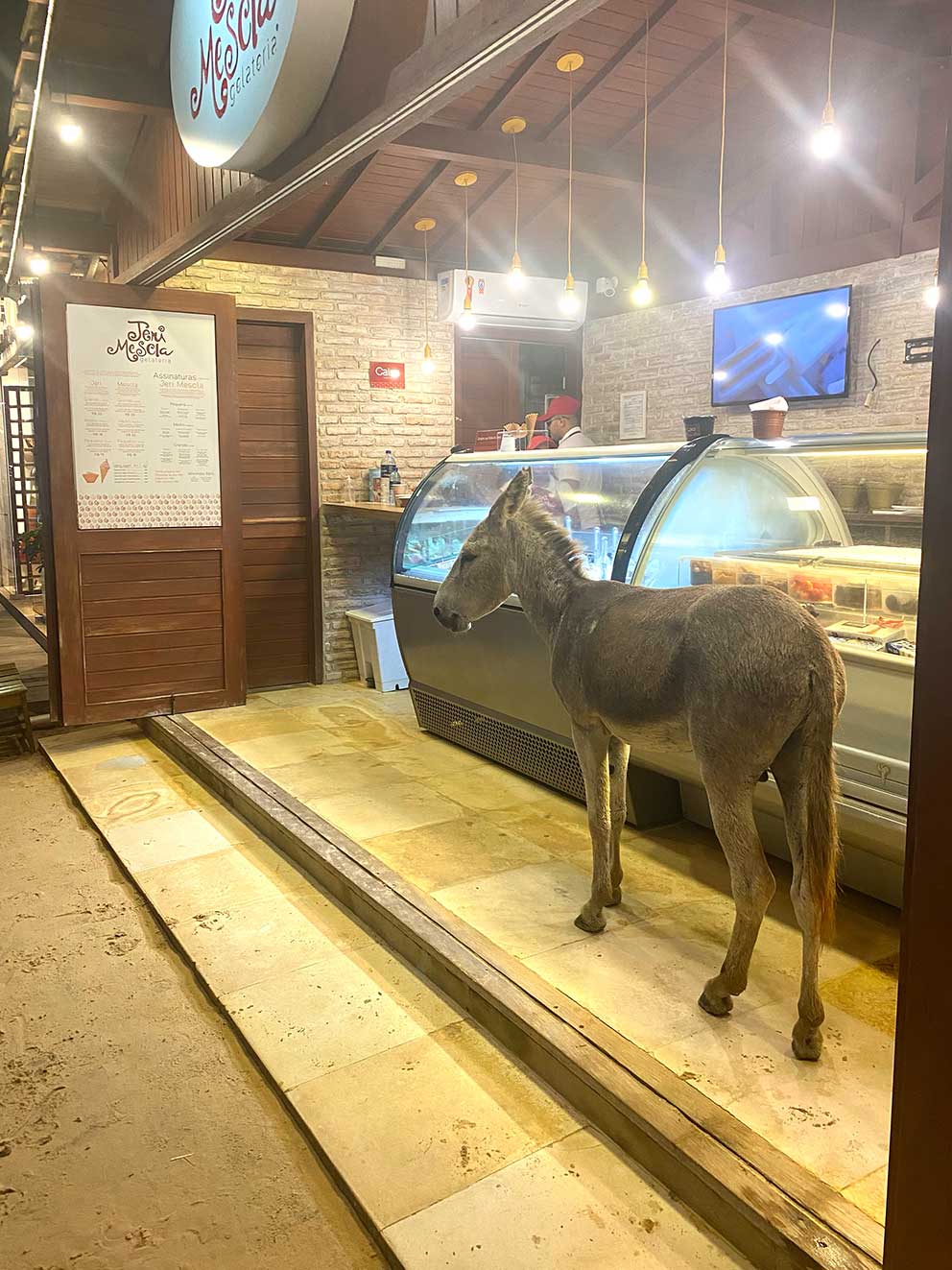
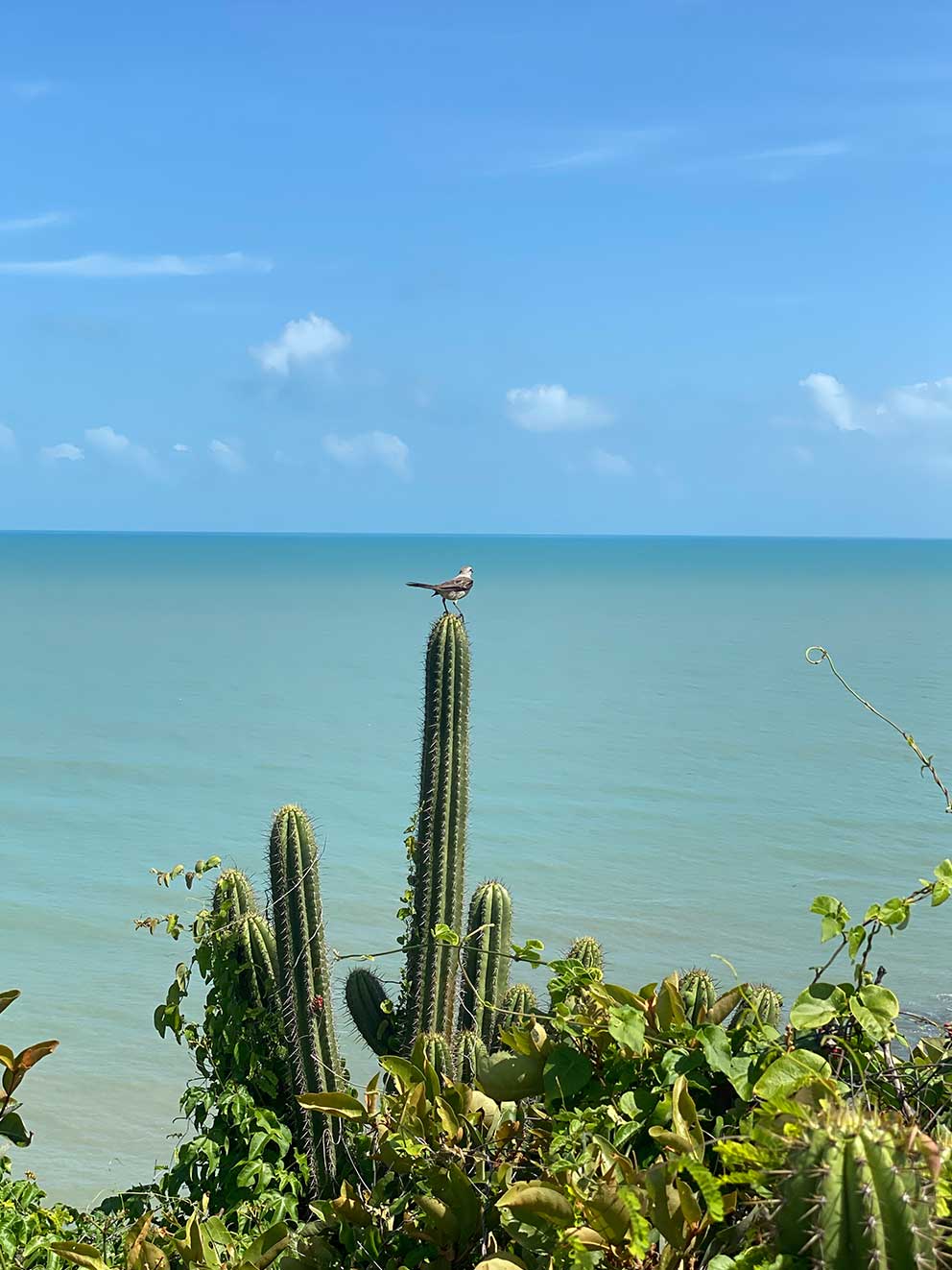
Jericoacoara, Jeri to anyone who's been, sits inside a national park on the wild coast of Ceará. The village has no paved roads (sand only), no street lights, and no cars allowed on the main streets. You arrive by 4×4 transfer through the dunes from Jijoca, and the moment you climb out, the pace of the rest of your life changes. The Duna do Pôr do Sol sunset is the village's daily ritual: the entire town walks up the dune, applauds the sun, and walks back down for caipirinhas.
For working remotely, Jeri became viable when fiber and Starlink reached the village. It's now a real kitesurfer-nomad scene, Europeans, Brazilians, and a steady stream of remote workers chasing wind. The trade-off is that you're committing to a small village. There's no "errands" Uber, no big supermarket, and any outside business gets handled in Fortaleza or online.
Where to stay, pick your vibe
Jeri is small enough that you'll know everyone within a week. But there are pockets:
- Centro / Rua Principal. The main sandy avenue, pousadas above bars, restaurants, the most foot traffic, and the easiest social scene. Loud until midnight.
- Beco do Forró / side streets. A block off the main strip, quieter pousadas with the same access. Best balance for working nomads.
- Praia da Malhada side. Eastern edge of the village, closer to the kite beach and the Pedra Furada walk. More remote-feeling.
- Preá. The next village over (10 minutes by buggy), cheaper, calmer, the actual kite-and-wing capital with several specialized resorts. Best for serious kiters.
Internet & coworking
The honest version: fiber arrived a few years ago and most modern pousadas now offer 50–200 Mbps. Outages still happen. The serious remote workers run Starlink as primary or backup, it's now common in pousadas and a few cafés. There's no formal coworking with hot desks, but several cafés (notably the ones around the main square) actively cater to laptop crowds with strong WiFi and long-stay coffee culture. Don't plan high-stakes calls without a backup link.
Food, culture, and what to do on weekends
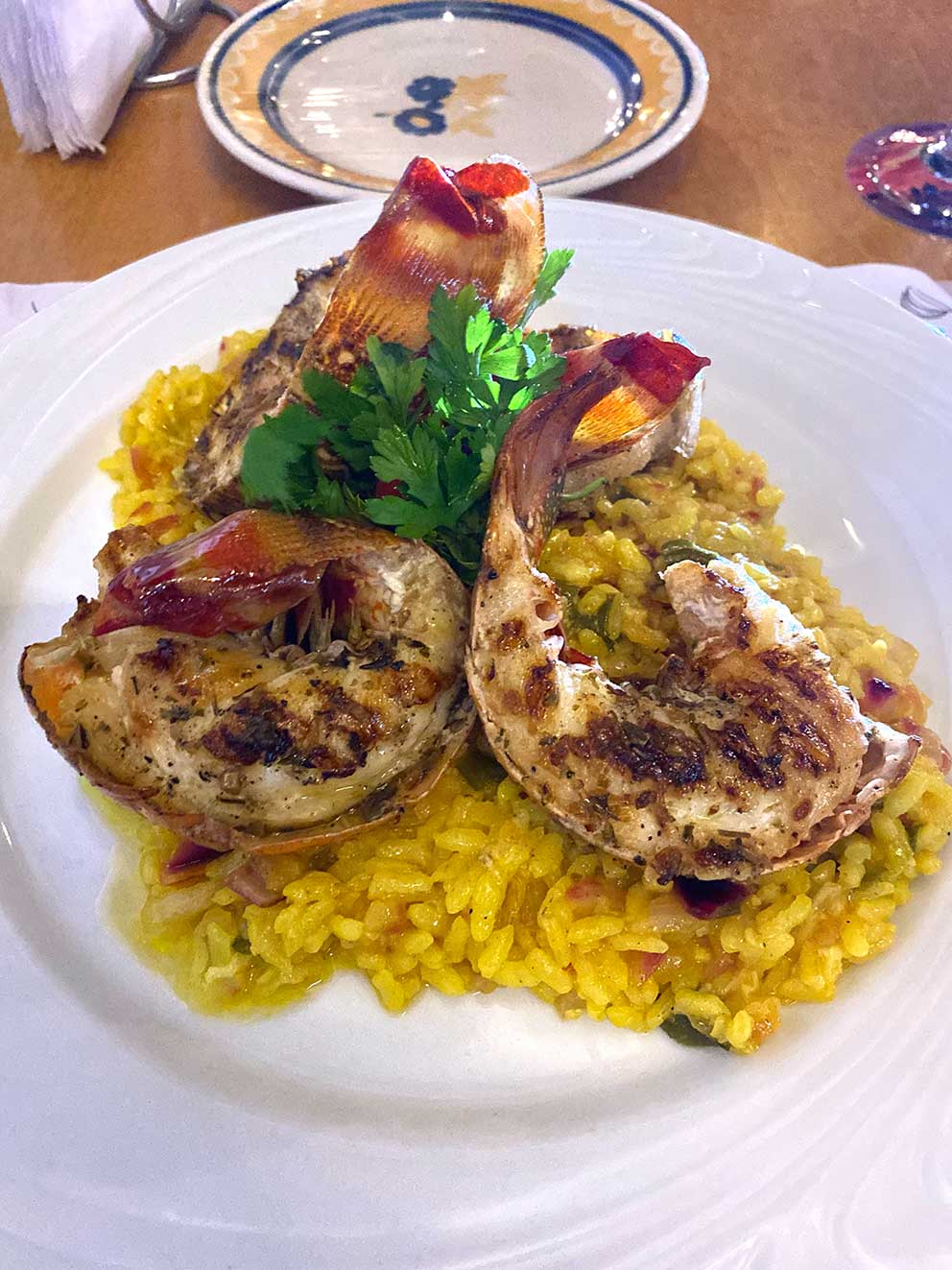
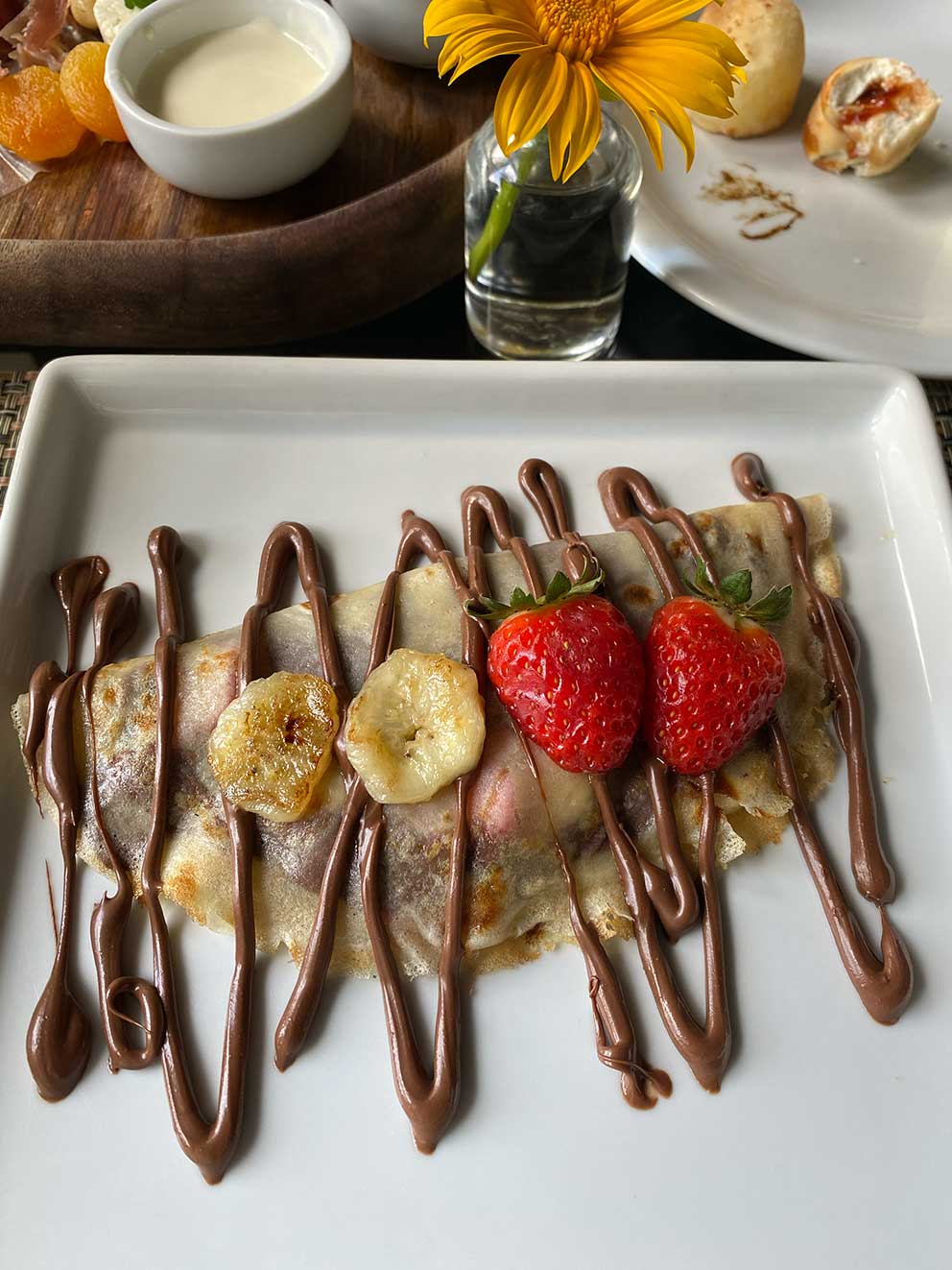
Jeri's food scene punches well above its size, Italian pizzas, French bistros, Argentinian grills, and the local Cearense seafood at the smaller barracas. The kite scene means you'll meet a global crowd at any beachfront sundowner. By night, capoeira rodas, forró classes, and live music spill out of the bars.
Beyond the village, the buggy excursions are the experience: Lagoa Azul, Lagoa do Paraíso (with the famous hammocks in the water), the Árvore da Preguiça, Pedra Furada at low tide. The 4–6 day buggy trip from Jeri up to Atins and Lençóis Maranhenses is one of the great Brazilian road trips.
Best time to visit
July through December is dry and windy, peak kite season runs August to December. The wind switches off in the rainy months (March–June), which is the best time if you want quieter beaches and lower prices and don't care about kiting.
Practical tips
- Plan the transfer. Final leg is a 4×4 over the dunes from Jijoca. Most pousadas arrange it, confirm before you fly.
- Bring a Starlink or 4G dongle. Fiber is real but not bulletproof. The serious remote-workers run dual links.
- Cash matters. Some smaller barracas and buggy operators are cash-only. There are ATMs but they run dry on weekends.
- Bring a flashlight. No street lights means you'll feel the lack at 10pm on a side street.
Verdict
Jeri is the dream for the right person: a small, beautiful village with global energy and enough infrastructure to (mostly) work from. It's not the right call for full-time nomads on tight client deadlines or anyone who wants restaurants delivered. Come for two to four weeks, stretch to a month if it suits you, and leave before the sand starts feeling permanent.
Photos from Jericoacoara
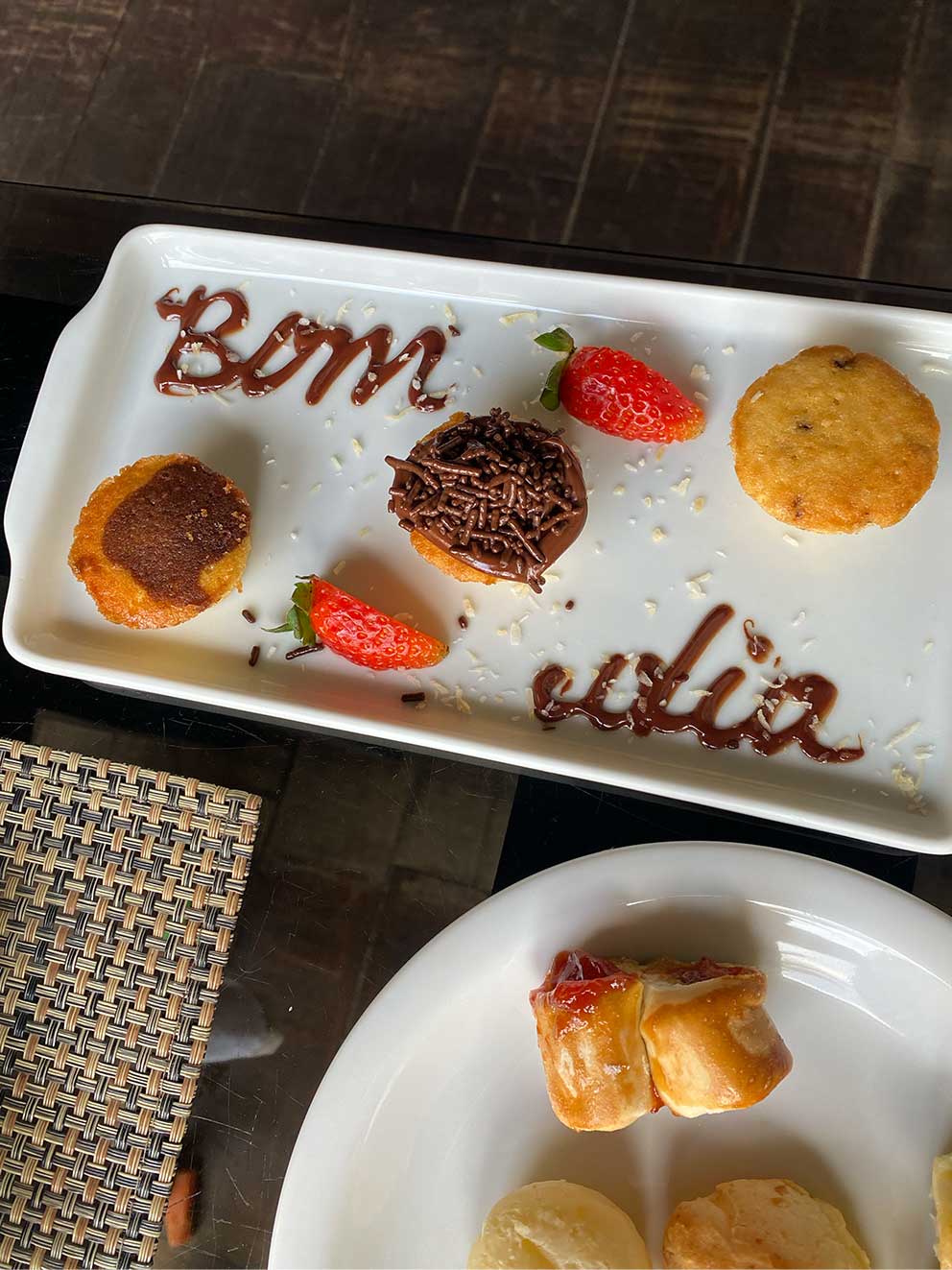
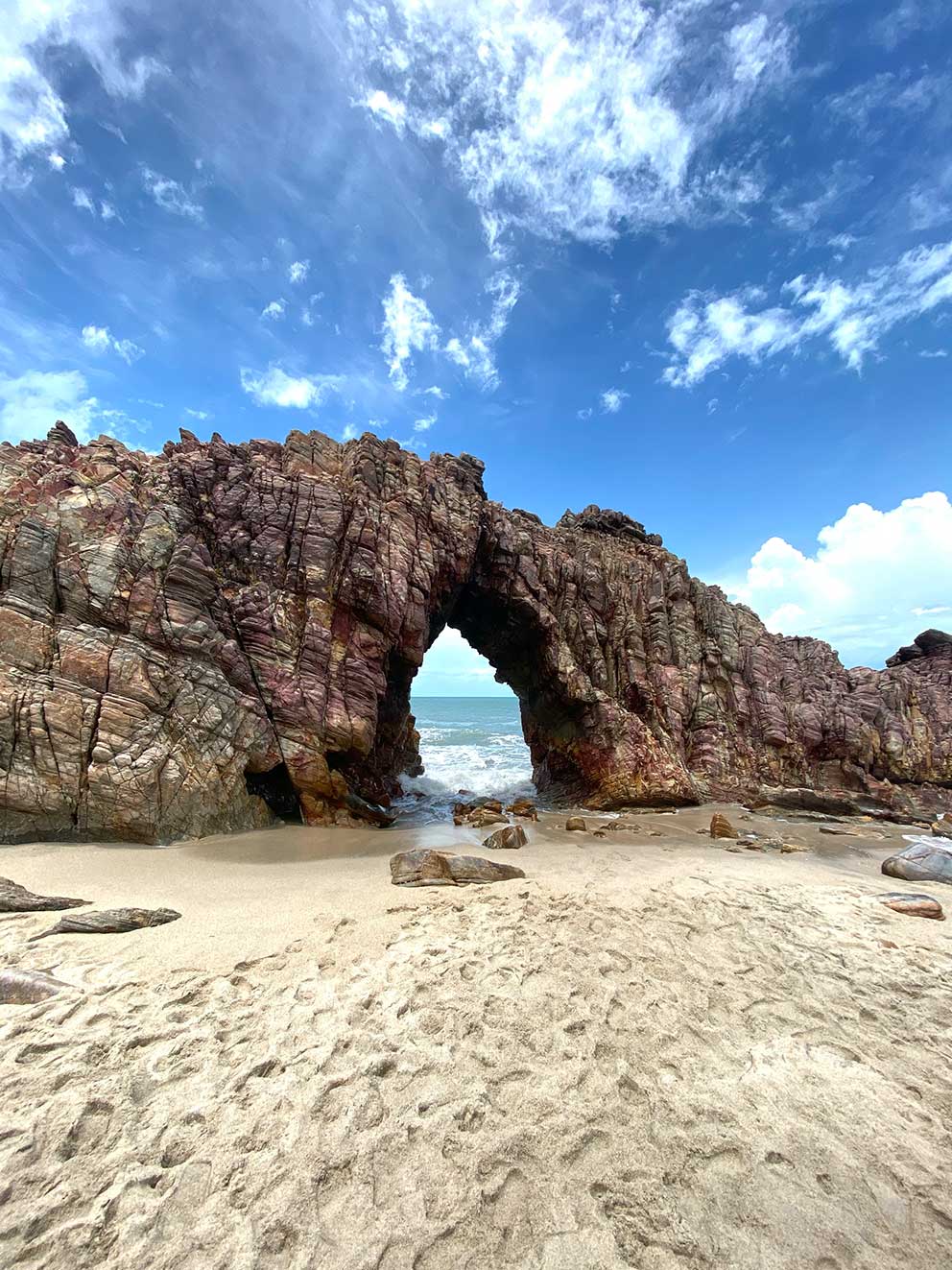
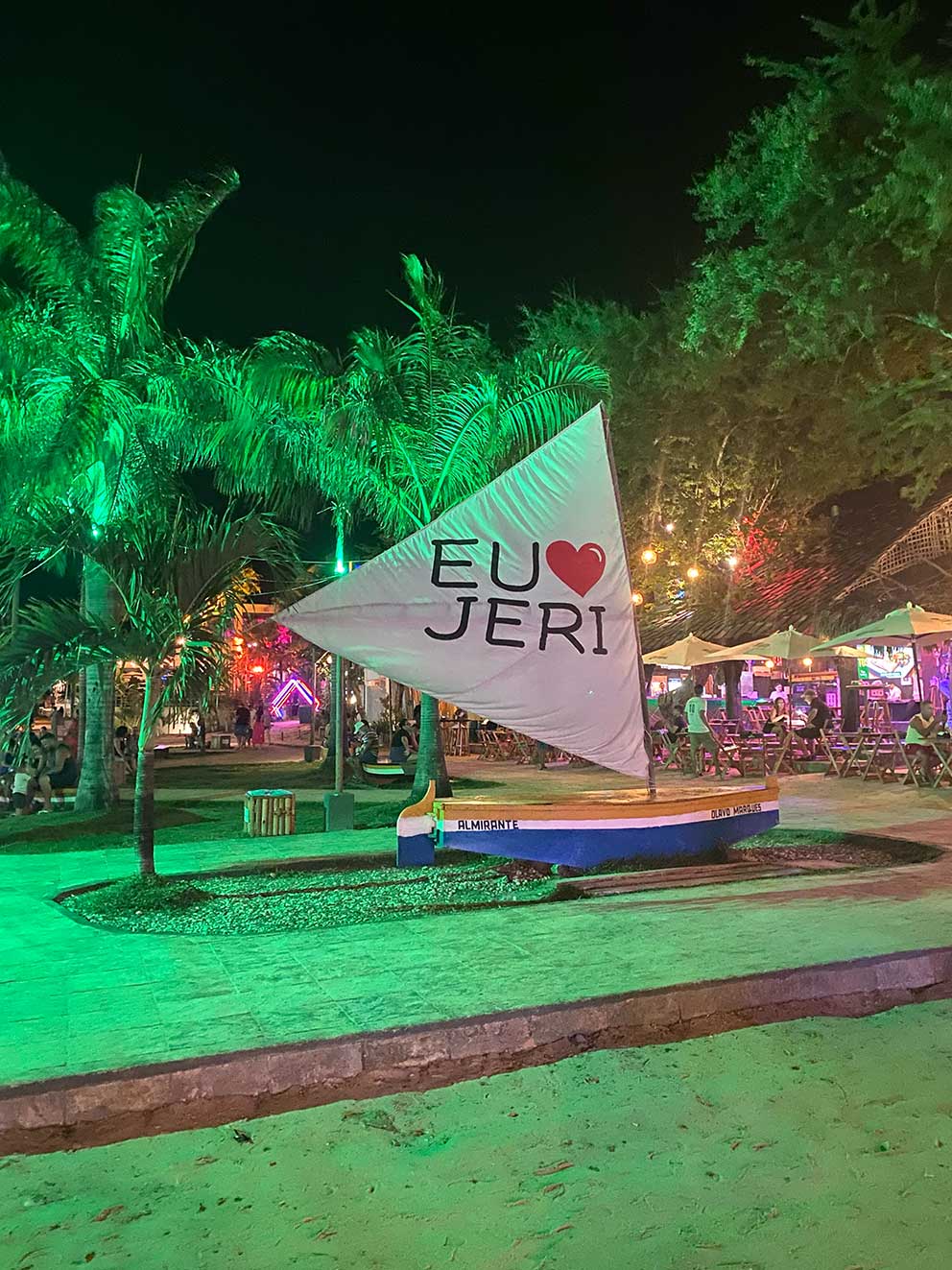
Further reading
Pages and resources that pair well with this post.