Why Florianópolis?
Florianópolis sits on an island off the southern coast of Brazil, Santa Catarina state, and it's the closest thing Brazil has to a year-round nomad capital. The local government has actively courted the tech industry for two decades, which is why the city now has more startups per capita than almost anywhere else in Latin America. That investment shows up in the things that matter to remote workers: 300 Mbps fiber as a baseline, modern coworking spaces, a real café-with-WiFi culture, and an English-speaking expat community big enough to feel social but small enough to feel real.
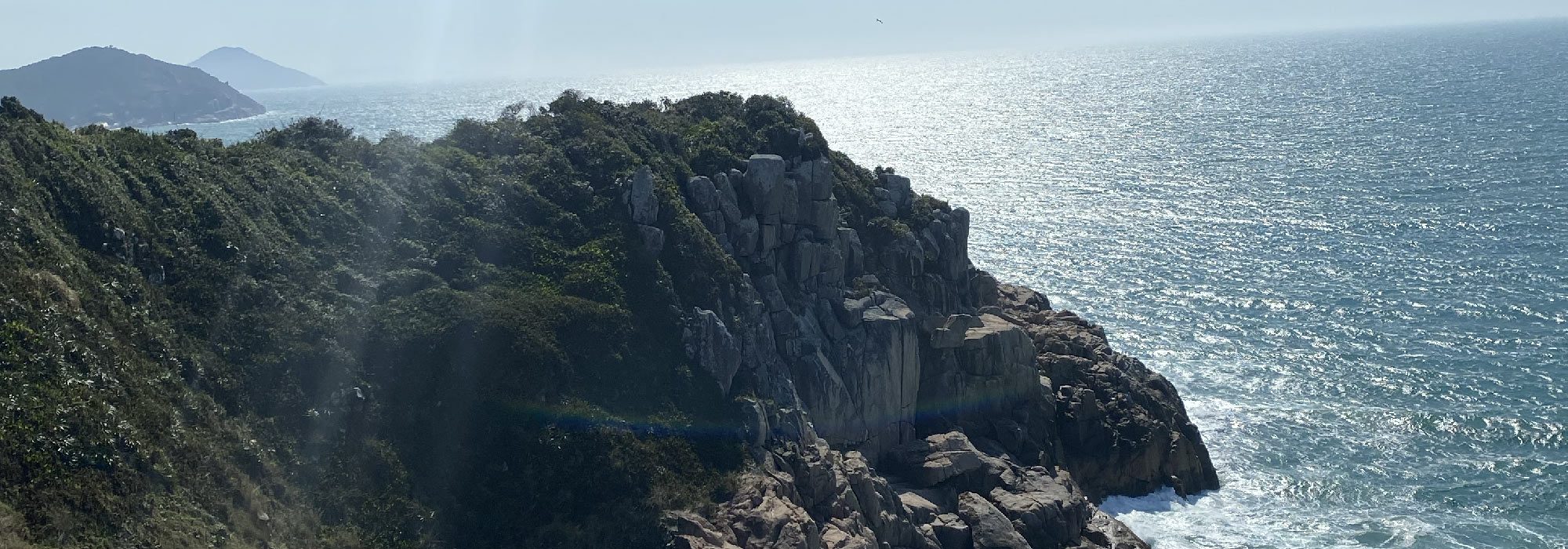
The other reason is geography. Floripa is a long, skinny island with 42 distinct beaches strung along its coast. You can live a 15-minute drive from a forest-backed surf break and a 25-minute drive from a fashionable bay with rooftop bars. The four seasons (yes, real seasons, Floripa is south of the Tropic of Capricorn) keep the heat manageable and the city less mosquito-prone than the Northeast.
Where to stay, pick your vibe
Floripa rewards picking your neighborhood carefully because the island is genuinely diverse:
- Lagoa da Conceição. The classic nomad neighborhood, a freshwater lagoon ringed by bars, restaurants, and coworking spaces. Walkable, laptop-friendly, social. This is where most newcomers land.
- Centro / Centro Histórico. Downtown energy, museums, and the cheapest long-term rentals. A bit grittier; choose a building with good security.
- Jurerê Internacional. The polished, upscale beach district, beach clubs, condos, expensive but turnkey. Best for high earners who want zero friction.
- Campeche. Wide beach, surfer-bohemian vibe, more affordable. Great if you don't mind being a 30-minute drive from Lagoa nightlife.
- Praia Mole / Barra da Lagoa. Surf town energy. Quieter, slower, but with enough Airbnb supply to spend a productive month.
Internet & coworking
Fiber from Vivo, Claro, and TIM reliably hits 300 Mbps in every populated area of the island. For coworking, the heavy hitters are CoWorking40, WorkSpace Lagoa, and BeerOrCoffee (a flexible pass that works at dozens of cafés and offices across the city). Expect to pay R$400–800/month for a hot desk, less if you commit to longer terms. Most cafés in Lagoa welcome laptops without complaint.
Food, culture, and what to do on weekends
The local seafood is the main event, oysters from the south of the island (Ribeirão da Ilha is the oyster capital of Brazil), grilled fish, sequência de camarão. Vegan and vegetarian options are abundant in Lagoa and the city center. Weekends mean beach mornings, surf or paddleboard sessions, hikes through the Atlantic Forest at the north of the island, or short trips inland to colonial towns like Santo Antônio de Lisboa.
The nightlife is calibrated to the season. Summer (December–March) is peak, beach parties, music festivals, Jurerê's open-air clubs. Winter (June–August) is mellow, log fires, German-Brazilian food in the inland villages, and surprisingly cold mornings.
Best time to visit
For first-timers, October–April is the sweet spot. December through February is high season, gorgeous, but expensive and crowded. November and March are the quiet shoulder months: beach weather, half the price, and your favorite coworking spot has open desks.
Practical tips
- Rent a car or scooter for at least the first month. Floripa's public transport is improving but the island's geography rewards mobility.
- Get an Airbnb monthly discount. Most hosts will quietly offer 25–40% off published prices for stays of 28+ days.
- Bring layers. July nights drop to single-digit Celsius. Most beach apartments don't have heat.
- Learn Portuguese. English exists in tech and tourism but a basic Portuguese vocabulary opens doors instantly.
Verdict
If you're spending one to three months testing whether Brazil is for you, start in Floripa. The infrastructure is the most foreigner-friendly in the country, the lifestyle gradient (beach to startup) lets you find your fit fast, and the costs are reasonable enough that you can extend without stress. The only real downside is winter, if you can't tolerate cool, gray months, plan to escape to the Northeast in June and July.
Further reading
Pages and resources that pair well with this post.